Detailing work is unusually sensitive to the difference between a customer’s desired result and the vehicle’s starting condition. A phrase such as “full detail” can conceal very different expectations about stains, paint defects, belongings and finish quality. The business needs an agreed standard before the first product is applied.
Organize the workflow around condition, scope, environmental requirements and handover. This keeps the service repeatable without pretending that every vehicle will take the same time or that every defect can be removed. Technical treatment methods should come from suitable training and product or vehicle guidance.
Inspect and agree on the starting point
Document relevant condition with the customer where practical. Identify pre-existing damage, sensitive surfaces, aftermarket finishes and areas requiring further assessment. Explain why photographs are being taken and manage them under the shop’s privacy practices.
Agree what happens to personal belongings and valuables before work begins. Record the requested result without converting it into an unconditional guarantee. A customer’s request to remove every mark may require an assessment and a discussion of limitations, not simply selection of the most expensive package.
Give each service a finish standard
Translate package names into observable completion criteria. Identify the included areas, excluded work and conditions that require a revised estimate. Distinguish routine cleaning from specialist restoration, correction or coating work that needs different competence and controls.
A sample job card might separate interior surfaces, glass and agreed exterior work, with an exception field for defects that remain. The exact methods belong in your approved technical instructions. Use the service-package guide to align customer-facing scope with the standard technicians are expected to deliver.
Schedule space as well as people
Account for preparation, treatment, drying or curing requirements, quality checks and protected storage where applicable. Follow product instructions for environmental conditions. A bay may remain occupied even while the technician moves to another task, so labor availability alone is not enough to promise pickup.
Plan what happens when weather or facility conditions make the agreed process unsuitable. Contact the customer early, offer an appropriate revised plan and document the decision. Do not shorten a required process simply because the diary describes every job as a fixed-length appointment.
Control products and contamination
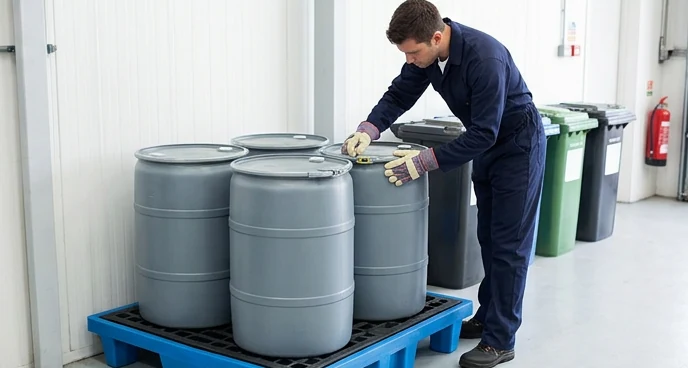
Maintain an approved product list, current safety information and clear storage arrangements. Establish how tools and materials are assigned, cleaned and replaced so staff do not improvise between incompatible uses. Have competent staff review ventilation, protective measures and waste handling for the actual products used.
For U.S. workplaces, OSHA’s hazard-communication overview explains the role of labels, safety data sheets and worker training for hazardous chemicals. Confirm the applicable requirements locally. This is not a substitute for product instructions or a workplace-specific safety assessment.
Inspect the result before inviting pickup
Use suitable viewing conditions and a checklist tied to the agreed scope. Record unresolved defects and any authorized changes. A different team member can review the result where staffing allows, but the important requirement is a deliberate check rather than an assumption that finishing the task means the promise was met.
At handover, explain what was completed and any product-specific aftercare using verified guidance. Avoid unsupported guarantees about durability or protection. If the result falls short of the agreed standard, address the issue directly rather than using a before-and-after photograph as the only quality measure.
Learn from scope changes and rework
Review repeated overruns, material consumption and return visits by service type and starting condition. Look for unclear estimates, unsuitable booking assumptions or inconsistent instructions before attributing every delay to individual speed. The productive shop-floor guide helps separate waiting and process problems from work itself.
Choose one service and follow it from intake through handover. Bring the resulting record and scheduling needs to a SaSa Shop OS discussion, checking current support rather than assuming detailing-specific automation. Repeatable standards should lead the software evaluation, not be invented to match a demonstration screen.